
The Short Answer: No, SEO Is Not Dead
Despite recurring predictions of its demise, SEO remains one of the most effective digital marketing strategies in 2025. While the landscape has evolved dramatically, search engine optimization continues to drive organic traffic, generate leads, and deliver measurable ROI for businesses worldwide.
The question "is SEO dead?" resurfaces periodically, often triggered by major algorithm updates, emerging technologies, or shifts in consumer behavior. However, data consistently shows that organic search remains the largest source of website traffic for most businesses, accounting for over 53% of all web traffic according to recent studies.
Why People Think SEO Is Dead
Several factors contribute to the misconception that SEO is no longer relevant. Understanding these misconceptions helps clarify why SEO remains essential for digital marketing success.
1. Algorithm Complexity and Frequent Updates
Google's algorithm becomes more sophisticated each year, with hundreds of ranking factors influencing search results. Major updates like Core Web Vitals, BERT, and MUM have changed how search engines interpret and rank content. Some marketers interpret these changes as signs that SEO is becoming obsolete, when in reality, they represent the evolution of search technology.
2. Rise of Artificial Intelligence and Machine Learning
AI-powered search features, including Google's AI Overviews and conversational search, have transformed how users interact with search engines. However, these technologies still rely on crawling and indexing web content, making SEO optimization more important than ever for visibility in AI-generated responses.
3. Increased Competition and Saturation
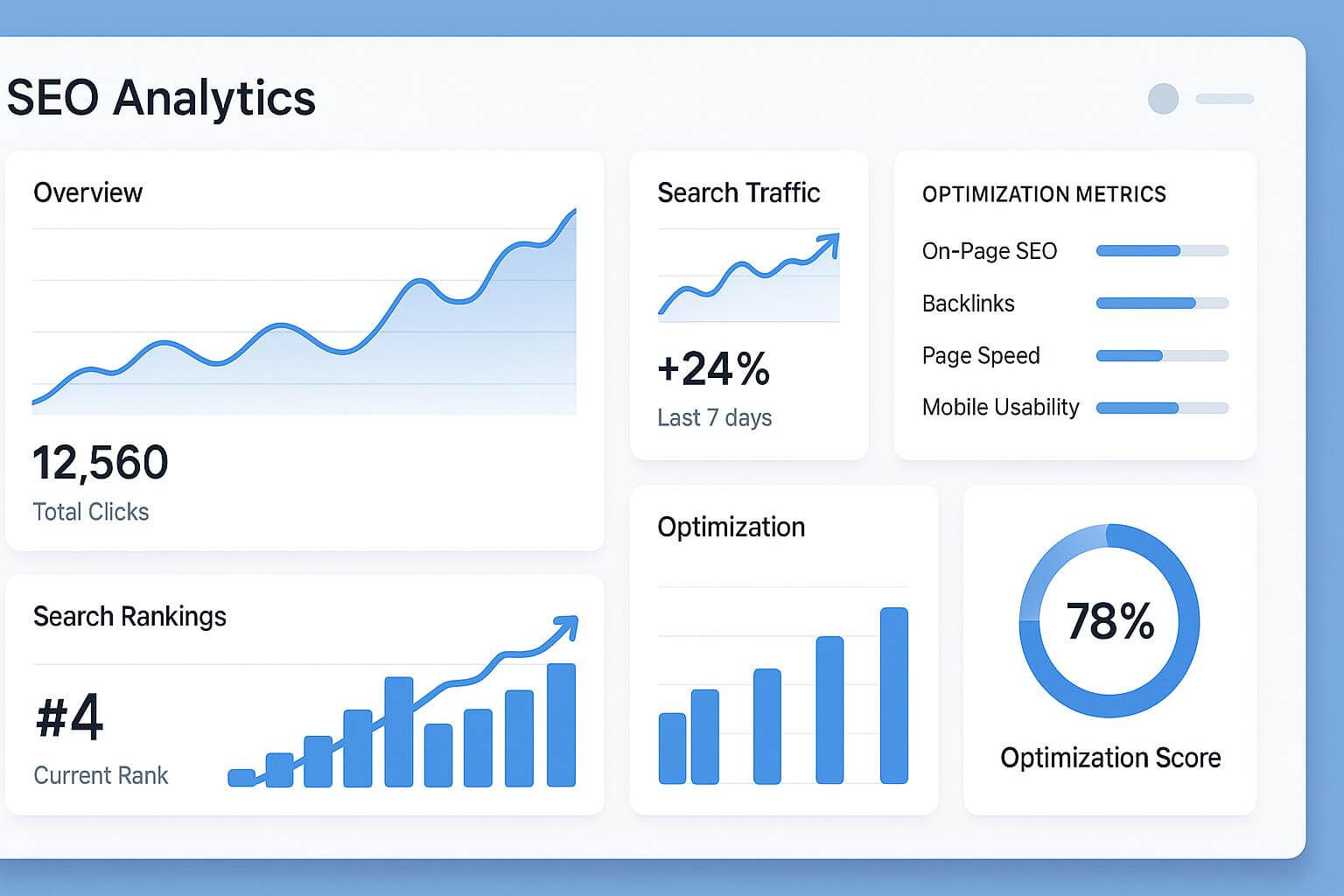
As more businesses recognize the value of organic search, competition for top rankings has intensified. This increased competition makes it harder to achieve quick results, leading some to believe that SEO is no longer effective. In reality, this competition validates SEO's continued importance and effectiveness.
4. Shift Toward Paid Advertising
The prominence of paid search results and sponsored content has led some marketers to focus exclusively on paid advertising. While PPC can deliver immediate results, it requires continuous investment and doesn't build the long-term authority that organic search provides.
The Evolution of SEO: What's Changed in 2025
Modern SEO differs significantly from the keyword-stuffing tactics of the past. Today's search engine optimization focuses on user experience, content quality, and technical excellence. Understanding these changes is crucial for implementing effective SEO strategies.
User Experience as a Ranking Factor
Google's Core Web Vitals initiative established user experience metrics as direct ranking factors. Page loading speed, interactivity, and visual stability now directly impact search rankings. This shift aligns SEO with broader business goals of providing excellent user experiences.
Entity-Based SEO and Semantic Search
Search engines now understand context, relationships, and user intent better than ever. Entity-based SEO focuses on creating comprehensive, authoritative content that covers topics thoroughly rather than targeting individual keywords. This approach requires deeper content strategy and topical expertise.
Key Insight: E-A-T Continues to Dominate
Google's emphasis on Expertise, Authoritativeness, and Trustworthiness (E-A-T) has become more pronounced in 2025. Websites that demonstrate subject matter expertise, build topical authority, and maintain user trust consistently outperform competitors in search rankings.
Mobile-First and Voice Search Optimization
With mobile devices generating over 60% of search queries, mobile-first indexing is now the standard. Additionally, voice search optimization requires focusing on natural language patterns and conversational queries. These trends don't eliminate SEO—they expand its scope.
Local SEO and Personalization
Local search has become increasingly sophisticated, with Google's local algorithm considering proximity, relevance, and prominence. Personalization based on search history, location, and user behavior creates opportunities for targeted optimization strategies.
Current SEO Trends Proving Its Vitality
Several emerging trends demonstrate that SEO is not only alive but evolving to meet changing user behaviors and technological advancements. These trends represent opportunities for forward-thinking marketers.
Video SEO and Visual Search
Video content dominates user engagement, with YouTube serving as the second-largest search engine. Video SEO involves optimizing video titles, descriptions, transcripts, and thumbnails for discovery. Visual search technology also creates new optimization opportunities for image-heavy businesses.
Featured Snippets and Zero-Click Searches
While zero-click searches present challenges, they also create opportunities for brand visibility and authority building. Optimizing for featured snippets requires structured content that directly answers user questions, increasing visibility even when users don't click through to websites.
Core Web Vitals and Technical SEO
Technical SEO has become more critical as search engines prioritize site performance and user experience. Core Web Vitals metrics—Largest Contentful Paint (LCP), First Input Delay (FID), and Cumulative Layout Shift (CLS)—directly impact rankings and require ongoing optimization efforts.
AI Content and SEO Integration
AI-powered content creation tools have transformed content production, but they haven't eliminated the need for SEO. Instead, they've made it easier to create optimized content at scale while maintaining quality and relevance. The key is using AI to enhance human expertise rather than replace it.
SEO vs. Other Digital Marketing Channels
Comparing SEO to other digital marketing channels reveals its unique advantages and continued relevance in the marketing mix. While integrated approaches work best, SEO offers distinct benefits that other channels cannot replicate.
SEO vs. Paid Advertising
Paid advertising delivers immediate results but requires continuous investment. SEO builds long-term organic visibility that continues generating traffic without ongoing ad spend. The average cost per click in Google Ads continues rising, making organic visibility increasingly valuable for businesses seeking sustainable growth.
SEO vs. Social Media Marketing
Social media marketing excels at engagement and brand awareness but struggles with long-term content visibility. Search engine optimization creates evergreen content that continues attracting visitors months or years after publication. Additionally, social media algorithms limit organic reach, while SEO provides unlimited organic visibility potential.
SEO vs. Email Marketing
Email marketing maintains high conversion rates but requires existing contact lists. SEO attracts new prospects actively searching for solutions, expanding the customer base beyond existing subscribers. The two channels complement each other effectively when integrated properly.
The Future of SEO: What to Expect
Understanding SEO's future direction helps businesses prepare for upcoming changes and opportunities. While specific tactics may evolve, the fundamental principles of providing valuable, discoverable content remain constant.
AI Integration and Automation
Artificial intelligence will increasingly automate technical SEO tasks like schema markup, internal linking, and performance optimization. However, strategic thinking, content creation, and user experience design will remain human-driven activities that require expertise and creativity.
Privacy and Cookieless Future
As third-party cookies phase out and privacy regulations tighten, first-party data and organic search become more valuable. SEO provides a privacy-friendly way to attract visitors without relying on tracking technologies that face increasing restrictions.
Sustainability and Environmental SEO
Website sustainability and environmental impact are emerging ranking factors. Green hosting, optimized code, and efficient resource usage align with broader sustainability goals while potentially improving search rankings.
Prediction: SEO Will Become More Integrated
Rather than existing as a separate discipline, SEO will become more integrated with content marketing, user experience design, and technical development. This integration will make SEO more valuable, not less relevant.
How to Succeed with Modern SEO
Success in modern SEO requires adapting to current best practices while maintaining focus on fundamental principles. These strategies help businesses thrive in today's search landscape.
Focus on User Intent and Experience
Understanding and satisfying user intent drives successful SEO strategies. This involves creating comprehensive content that addresses user questions, optimizing for user experience metrics, and providing clear paths to conversion. User-focused optimization naturally aligns with search engine goals.
Invest in Quality Content and Expertise
High-quality, expert-driven content remains the foundation of effective SEO. This means investing in subject matter experts, conducting thorough research, and creating content that provides genuine value to readers. Superficial or AI-generated content without human expertise rarely achieves sustained rankings.
Embrace Technical Excellence
Technical SEO provides the foundation for all other optimization efforts. This includes site speed optimization, mobile responsiveness, structured data implementation, and accessibility improvements. Technical excellence ensures that great content can be properly crawled, indexed, and ranked.
Build Topical Authority
Rather than targeting individual keywords, focus on building comprehensive topical authority within your industry. This involves creating content clusters around core topics, establishing expertise through consistent publishing, and building authoritative backlinks from relevant sources.
Utilize Modern SEO Tools
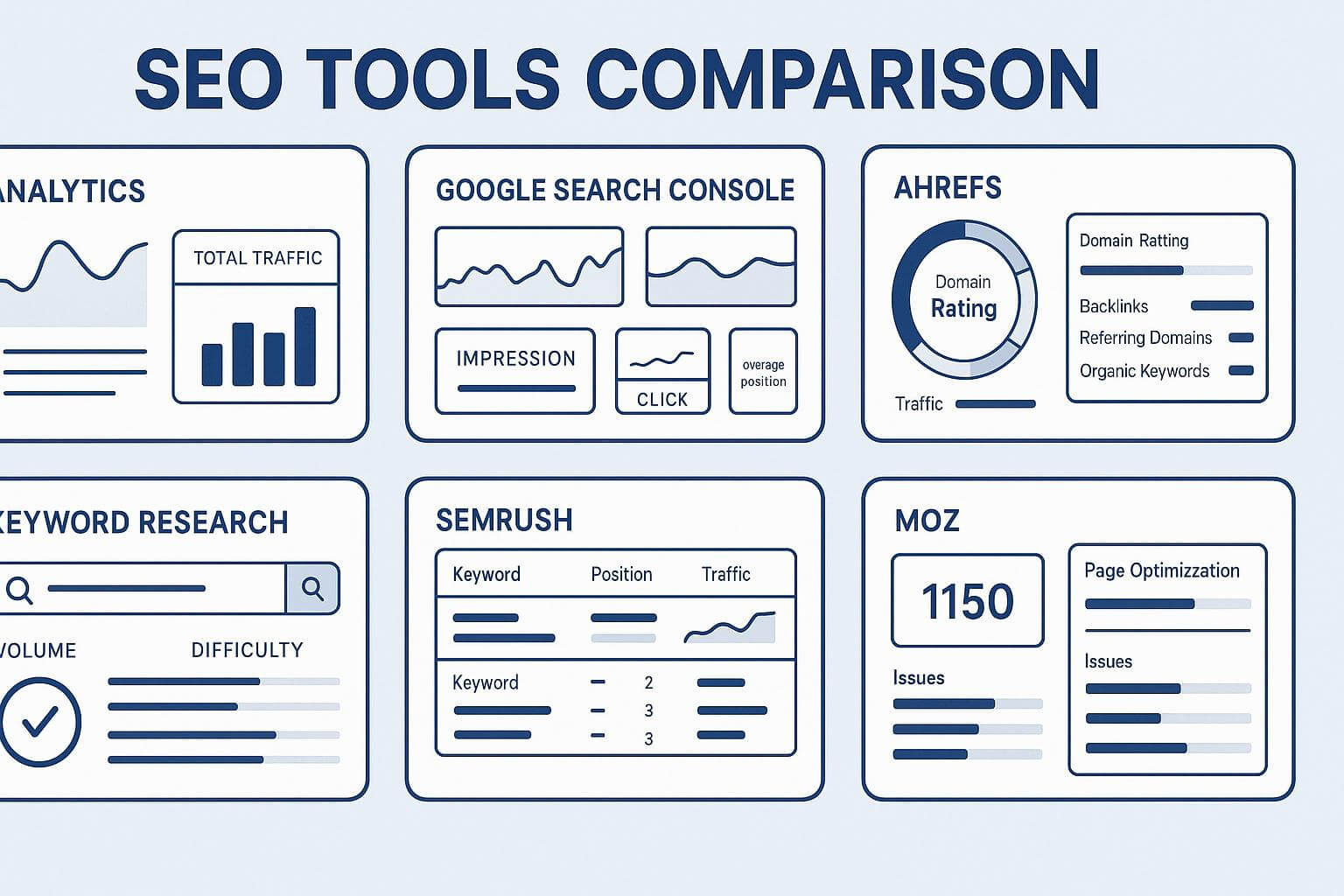
Effective SEO requires the right tools for keyword research, competitor analysis, technical auditing, and performance tracking. Modern SEO tools provide insights that were impossible to gather manually, making data-driven optimization more accessible than ever.
Conclusion: SEO Is Alive and Thriving
The evidence overwhelmingly demonstrates that SEO is not dead but continuing to evolve and adapt to new technologies and user behaviors. While tactics may change, the fundamental need for discoverable, valuable content remains constant.
Businesses that dismiss SEO as outdated miss significant opportunities for sustainable growth. Those that embrace modern SEO practices—focusing on user experience, technical excellence, and content quality—position themselves for long-term success in an increasingly competitive digital landscape.
The key to SEO success in 2025 lies not in abandoning optimization efforts but in adapting them to current best practices. This means investing in quality content, technical excellence, and user experience while staying informed about algorithm updates and industry trends.
Rather than asking "is SEO dead," the more relevant question is: "How can we leverage modern SEO strategies to achieve our business goals?" The answer lies in embracing SEO's evolution while maintaining focus on the fundamental principles that have always driven success: providing value to users and making that value easily discoverable.
Ready to Revitalize Your SEO Strategy?
Don't let outdated SEO tactics hold your business back. Discover the modern tools and strategies that drive real results in 2025.
Explore Best SEO Tools