
On-page SEO forms the foundation of successful search engine optimization, encompassing all the elements you can control directly on your website pages. From crafting compelling meta titles and descriptions to optimizing images with proper alt text, mastering these fundamentals is crucial for improving your search rankings and user experience.
This comprehensive guide will walk you through every aspect of on-page SEO, providing actionable strategies and best practices that align with current search engine algorithms. Whether you're a beginner looking to understand the basics or an experienced marketer seeking to refine your optimization techniques, this resource covers everything you need to know about page-level SEO tactics.
Understanding On-Page SEO Fundamentals
On-page SEO refers to the practice of optimizing individual web pages to rank higher in search engines and earn more relevant traffic. Unlike off-page SEO, which focuses on external signals like backlinks, on-page optimization deals with content quality, HTML source code, and page architecture elements that search engines can directly analyze.
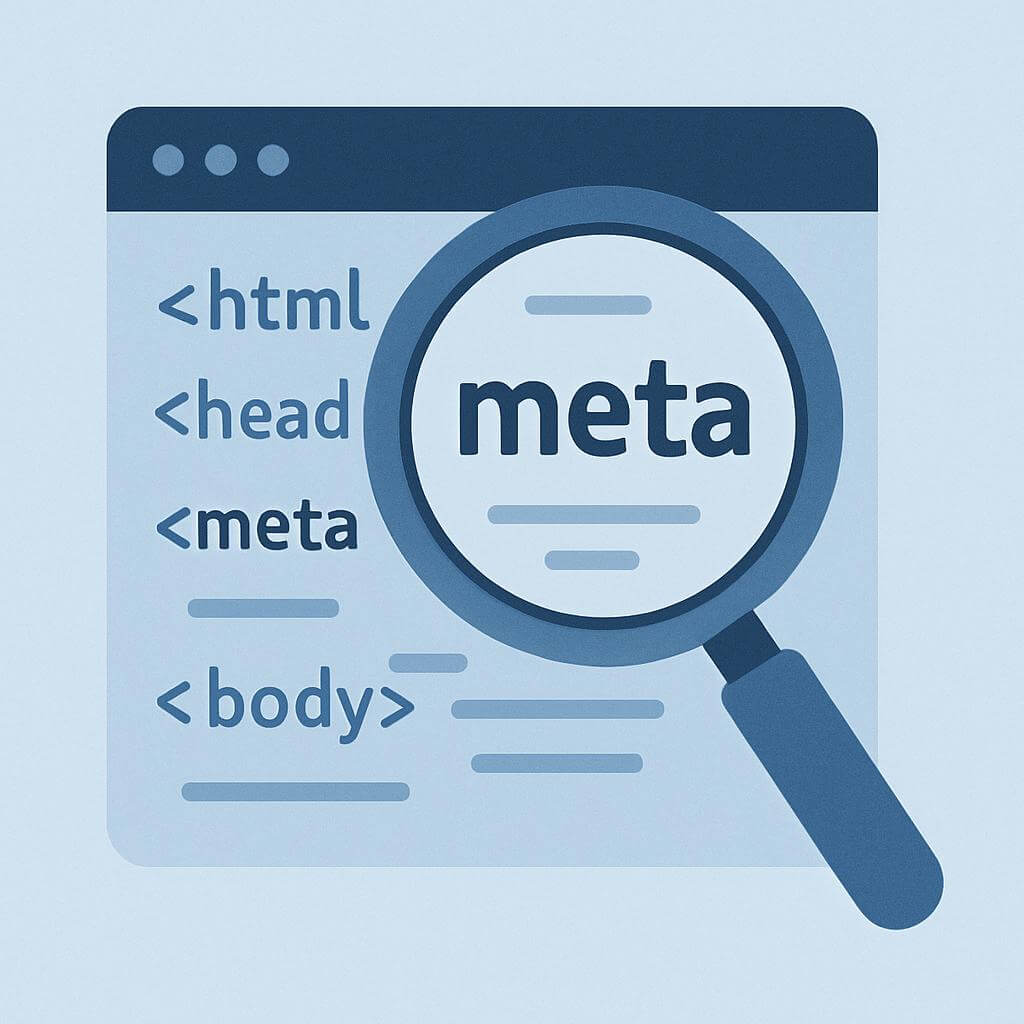
The core components of on-page SEO include title tags, meta descriptions, header tags, URL structure, internal linking, image optimization, and content quality. Each element plays a vital role in communicating your page's relevance and value to both search engines and users.
Why On-Page SEO Matters in 2025
Search engines have become increasingly sophisticated in understanding content context, user intent, and page quality signals. Modern algorithms prioritize pages that provide comprehensive, well-structured, and user-focused content. This evolution makes on-page optimization more important than ever, as it directly influences how search engines interpret and rank your content.
Effective on-page SEO also improves user experience metrics like bounce rate, time on page, and click-through rates from search results. These behavioral signals contribute to your overall search performance, creating a positive feedback loop that benefits both rankings and user satisfaction.
Meta Title Optimization: Your First Impression
Meta titles serve as clickable headlines in search engine results pages (SERPs) and browser tabs. They're one of the most critical on-page SEO elements, directly influencing both search rankings and click-through rates. A well-crafted meta title accurately describes your page content while incorporating relevant keywords naturally.
Best Practices for Meta Title Creation
Effective meta titles typically range between 50-60 characters to avoid truncation in search results. They should include your primary keyword near the beginning while maintaining readability and appeal to human users. Avoid keyword stuffing and focus on creating compelling, descriptive titles that encourage clicks.
Consider incorporating emotional triggers, numbers, or power words that resonate with your target audience. For example, words like "complete," "ultimate," "proven," or "essential" can increase the perceived value of your content and improve click-through rates.
Common Meta Title Mistakes to Avoid
- Using the same title across multiple pages
- Exceeding 60 characters and causing truncation
- Omitting important keywords entirely
- Creating titles that don't match page content
- Using special characters that may display incorrectly
Meta Description Mastery
Meta descriptions provide a brief summary of your page content in search results, appearing below the title tag. While not a direct ranking factor, well-written meta descriptions significantly impact click-through rates by giving users a preview of what they'll find on your page.
The optimal meta description length is approximately 150-160 characters. This provides enough space to convey your value proposition while ensuring the entire description appears in search results across different devices and search engines.
Crafting Compelling Meta Descriptions
Effective meta descriptions should include your target keyword naturally while focusing on user benefits and compelling reasons to click. Think of them as mini-advertisements for your content, highlighting unique value propositions or solutions to user problems.
Include action-oriented language and specific benefits users will gain from visiting your page. Phrases like "learn how to," "discover," "get instant access," or "proven strategies" can increase engagement and click-through rates.
Image Optimization and Alt Text Excellence
Images play a crucial role in modern web experiences, but they require proper optimization to contribute positively to your SEO efforts. Alt text for images serves multiple purposes: it helps search engines understand image content, improves accessibility for users with visual impairments, and provides context when images fail to load.
Writing Effective Alt Text
Quality alt text should be descriptive, concise, and contextually relevant to your content. Aim for 125 characters or less, naturally incorporating relevant keywords when appropriate. Avoid starting with phrases like "image of" or "picture of" since screen readers already identify the element as an image.
Consider the image's purpose within your content. Decorative images may use empty alt attributes (alt=""), while informative images should provide detailed descriptions that add value for users who cannot see the visual content.
Technical Image Optimization
Beyond alt text, comprehensive image optimization includes file size reduction, appropriate format selection, and responsive sizing. Modern formats like WebP offer superior compression while maintaining visual quality. Implementing lazy loading can improve page speed, especially for content-heavy pages.
Image file names should be descriptive and include relevant keywords separated by hyphens. This provides additional context to search engines and improves overall page relevance for target keywords.
Header Tags and Content Structure
Header tags (H1, H2, H3, etc.) create a hierarchical structure that helps both users and search engines understand your content organization. Proper header tag usage improves readability, supports featured snippet opportunities, and provides clear content signals to search algorithms.
Your H1 tag should contain your primary keyword and clearly communicate the page's main topic. Subsequent header tags should follow a logical hierarchy, breaking content into digestible sections while incorporating related keywords and semantic variations.
Creating SEO-Friendly Content Structure
Effective content structure follows the inverted pyramid model, presenting the most important information first, followed by supporting details. This approach satisfies both user expectations and search engine preferences for comprehensive, well-organized content.
Content Structure Checklist
- Use only one H1 tag per page
- Maintain logical header hierarchy (H1 > H2 > H3)
- Include keywords in headers naturally
- Keep headers descriptive and scannable
- Use headers to break up long content sections
URL Structure and Optimization
Clean, descriptive URLs contribute to better user experience and search engine understanding. URL structure should reflect your content hierarchy while remaining concise and keyword-focused. Avoid complex parameters, excessive subdirectories, and non-descriptive elements that don't add value.
Implement consistent URL patterns across your website, using hyphens to separate words and maintaining lowercase formatting. This creates predictable navigation patterns for users and clean crawling paths for search engines.
Internal Linking Strategy
Strategic internal linking distributes page authority throughout your website while guiding users to related, valuable content. Proper internal linking supports technical SEO by creating clear site architecture and helping search engines discover and index your content efficiently.
Link to relevant pages using descriptive anchor text that provides context about the destination page. This practice enhances user experience while reinforcing topical relationships between your content pieces.
Internal Linking Best Practices
Focus on creating natural, contextual links that genuinely help users find additional relevant information. Avoid over-optimization by varying anchor text and linking patterns. Consider implementing hub pages that connect related content clusters, supporting your overall content SEO strategy.
Content Quality and Keyword Integration
High-quality content remains the cornerstone of effective on-page SEO. Focus on creating comprehensive, original content that addresses user intent and provides genuine value. Keyword integration should feel natural and support content flow rather than disrupting readability.
Modern search algorithms understand semantic relationships and context, making it essential to include related terms, synonyms, and topic variations throughout your content. This approach supports topical authority while avoiding over-optimization penalties.
Measuring Content Quality
Quality content typically demonstrates expertise, authoritativeness, and trustworthiness (E-A-T). Include credible sources, author credentials, and factual information supported by evidence. Regular content updates and improvements signal freshness and ongoing value to search engines.
Technical On-Page Elements
Several technical elements support your on-page optimization efforts, including schema markup, page speed optimization, and mobile responsiveness. These factors increasingly influence search rankings and user experience metrics.
Implement relevant schema markup to provide additional context about your content. This structured data can enhance search result appearances through rich snippets, improving visibility and click-through rates.
Monitoring and Measuring Success
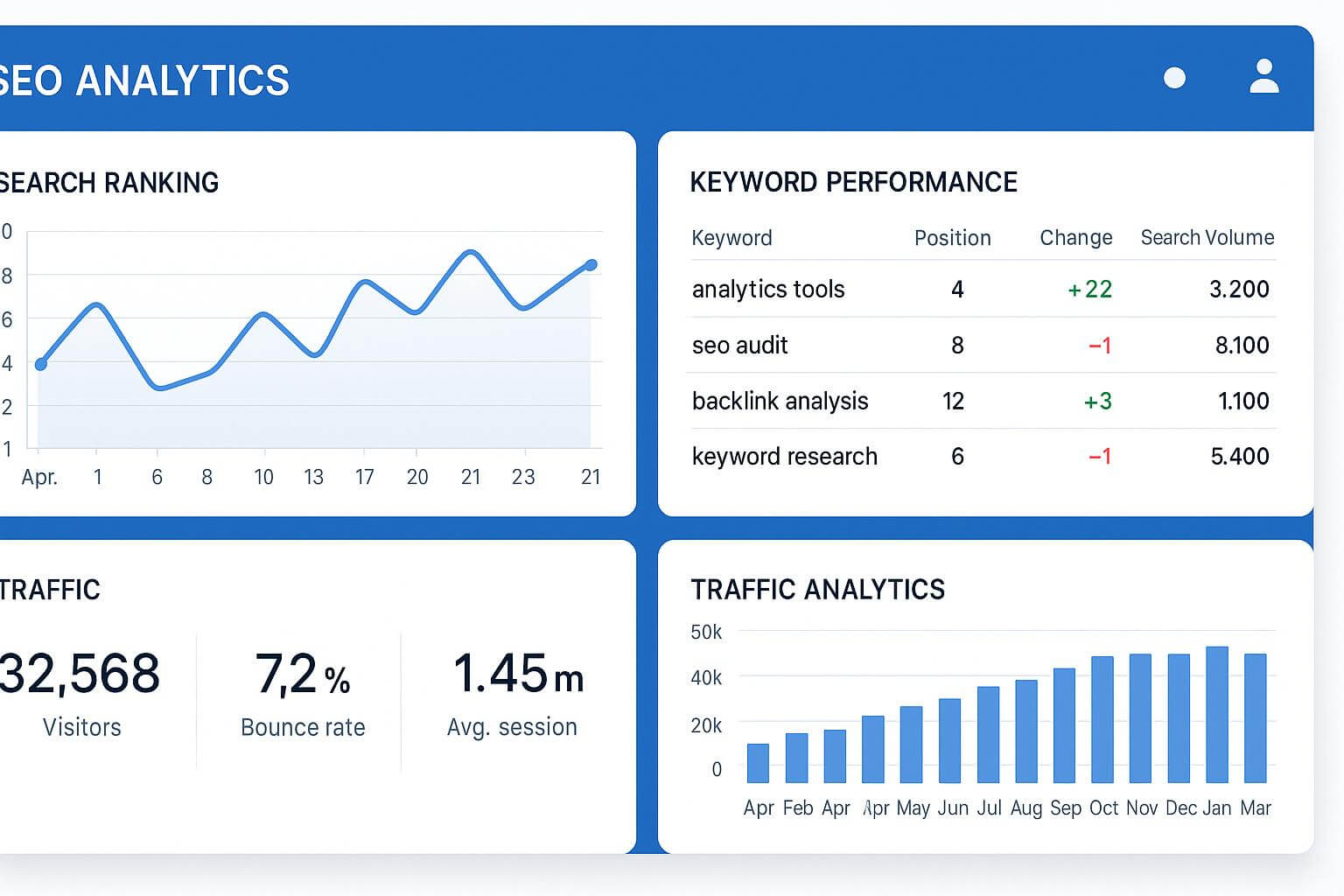
Effective on-page SEO requires ongoing monitoring and optimization based on performance data. Use SEO tools to track keyword rankings, organic traffic, and user engagement metrics. Regular analysis helps identify optimization opportunities and measure the impact of your efforts.
Focus on metrics that align with your business goals, including organic traffic growth, conversion rates, and user engagement indicators. These measurements provide insights into both search performance and user satisfaction with your optimized content.
Key Performance Indicators for On-Page SEO
- Organic search traffic and keyword rankings
- Click-through rates from search results
- Page load speed and Core Web Vitals
- User engagement metrics (bounce rate, time on page)
- Conversion rates from organic traffic
Advanced On-Page Optimization Strategies
As you master the fundamentals, consider implementing advanced strategies like content clustering, topic modeling, and user intent optimization. These approaches align with search engines' increasing focus on comprehensive topic coverage and user satisfaction.
Develop content that addresses multiple related queries and user intents within comprehensive resource pages. This strategy supports featured snippet opportunities while establishing topical authority in your niche areas.
Future of On-Page SEO
On-page SEO continues evolving with advancing search technologies, artificial intelligence integration, and changing user behaviors. Stay informed about algorithm updates, emerging optimization techniques, and shifting best practices to maintain competitive advantages.
Focus on creating user-centered content that genuinely solves problems and provides value. This approach ensures long-term success regardless of specific algorithm changes or technical requirements.
By implementing these on-page SEO fundamentals and continuously refining your approach based on performance data, you'll build a strong foundation for sustainable search success. Remember that effective optimization serves both search engines and users, creating experiences that drive engagement, conversions, and business growth.